
7 Signs Your Business Needs Better Waste Management
Waste management issues can quietly drain your business’s resources, disrupt operations, and even harm your reputation. Here are seven key warning signs that your waste management system may need improvement:
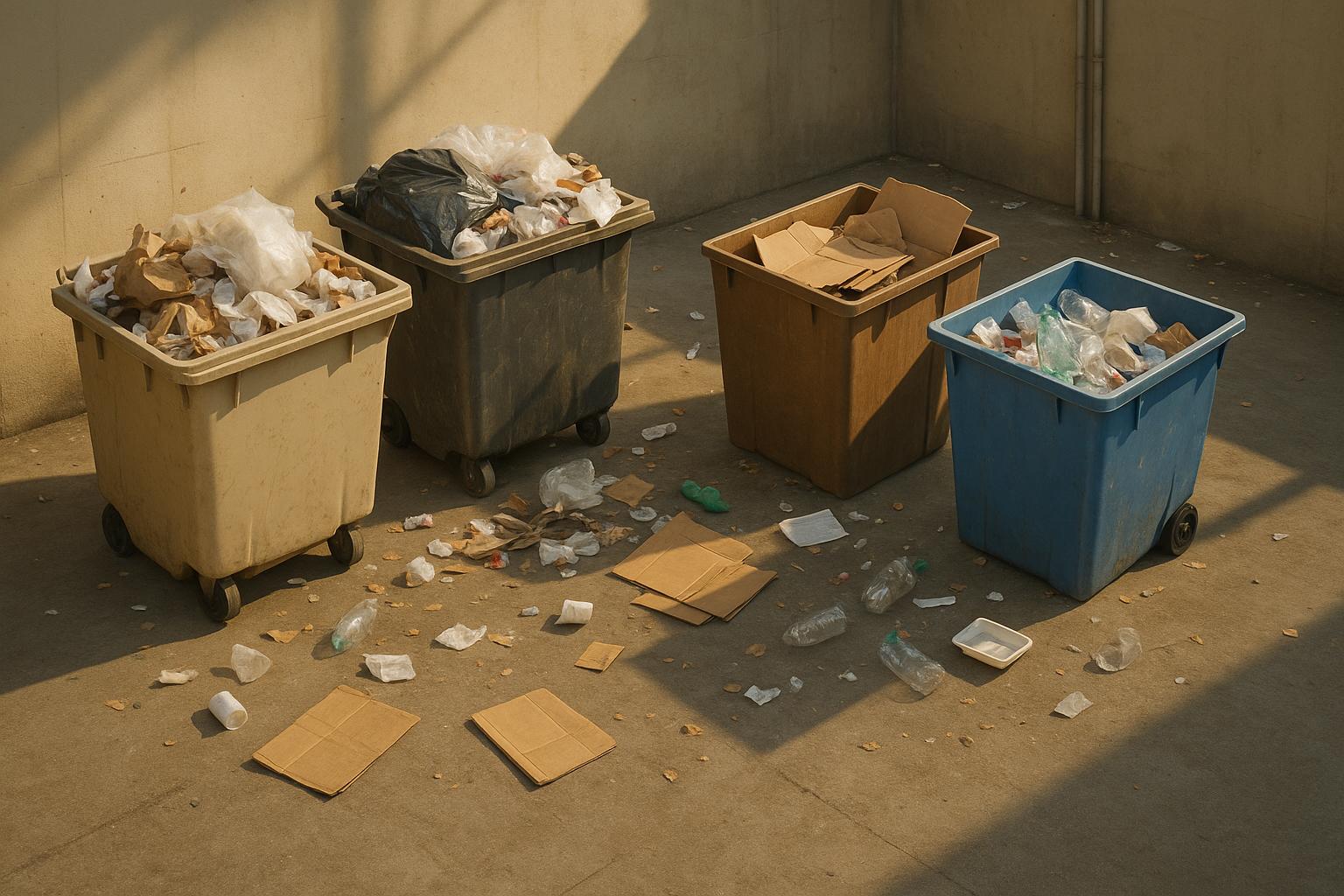
- Frequent disruptions: Overflowing bins, missed pickups, or broken equipment are clear red flags.
- Rising costs: Increasing waste disposal bills without clear explanations often indicate inefficiencies.
- Inability to handle fluctuating waste volumes: Seasonal or unexpected spikes can overwhelm rigid systems.
- Low recycling rates: Missed opportunities to recycle lead to higher landfill fees and lost revenue.
- No tracking system: Without data, it’s hard to identify inefficiencies, control costs, or ensure compliance.
- Regulatory violations and safety risks: Poor waste practices can result in fines, legal issues, or workplace hazards.
- Poor collection schedules: Misaligned pickups lead to overflowing bins, extra fees, and wasted resources.
Addressing these issues starts with assessing your current waste processes, tracking data, and optimizing schedules. Simple steps like separating recyclables, training employees, and using flexible pickup systems can lead to cost savings and smoother operations.
Best Waste Handling Strategies For Your Company
1. Frequent Disruptions and Repeated Waste Handling Problems
When your waste management system keeps causing headaches, it’s a clear sign something needs to change. Missed pickups, overflowing bins, and equipment that’s constantly breaking down can throw a wrench into your operations and grind productivity to a halt. These aren’t just minor inconveniences – they’re symptoms of deeper issues.
These disruptions often show up in predictable ways. Maybe your waste hauler skips scheduled pickups, leaving bins overflowing for days. Or perhaps compactors and balers are constantly out of order due to poor maintenance, creating bottlenecks that delay workflows. These recurring problems don’t just happen out of nowhere – they’re often the result of services that aren’t aligned with your needs or waste volumes that fluctuate without proper planning.
“Inefficient waste management programs lack the necessary infrastructure and capacity to handle high volumes of materials, resulting in a struggle to keep up with the waste generation rate during periods of high production.” – RoadRunner
The financial impact of these inefficiencies can’t be ignored. Across Fortune Global 500 industrial companies, total losses from machine downtime are estimated to hit $864 billion annually. While not all of this stems from waste management equipment, it highlights how operational setbacks can drain resources and hurt your bottom line.
Beyond the financial toll, repeated waste issues can wear down your team. Employees may find themselves dealing with waste-related problems instead of focusing on their primary responsibilities. Complaints about unpleasant odors or leaking bins – especially in industries handling food or organic materials – can also harm workplace morale. And if waste isn’t managed properly, it can lead to concerns from neighbors about hazardous conditions.
“An inefficient waste management program hurts your business’s bottom line, causing excessive downtime that ends up costing your venture money and time, two of your biggest assets that you cannot afford to lose.” – Ivan Widjaya, Noobpreneur
To tackle these challenges, start with regular inspections and ensure your equipment matches your waste patterns. Adjust pickup schedules as needed and work with vendors who truly understand your operations. Fixing these issues isn’t just about avoiding disruptions – it’s about creating a smoother, more profitable system. Up next, we’ll explore how unexplained cost increases can be another warning sign that your waste management system needs an upgrade.
2. Increasing Waste Disposal Costs Without Clear Reasons
When waste disposal bills keep climbing without an obvious explanation, it often points to hidden inefficiencies within your system. These overlooked issues can quietly drive up costs over time.
One major culprit? Outdated systems and unnoticed inefficiencies. Many businesses stick with waste management processes that were implemented years ago, failing to reassess whether those methods still make sense as waste streams evolve. What once worked effectively may now be costing you more than it should.
Another factor is poor recycling practices. When recyclable materials like cardboard, plastics, or metals are tossed in with general waste, businesses often face higher landfill fees. These materials could have been processed more affordably – or even turned into a source of revenue through recycling programs. Without proper sorting systems or staff training, these opportunities for savings are missed, and costs continue to rise.
Improperly classified waste is yet another issue. Mislabeling waste, particularly hazardous materials, can lead to hefty fees and penalties. These missteps, combined with other inefficiencies, significantly inflate your waste management expenses.
One way to tackle these rising costs is by introducing a dedicated system for sorting cardboard. In industries like retail, warehousing, and distribution, cardboard often makes up a large chunk of waste. Setting up a specific collection process for it can help businesses sidestep premium landfill charges and take advantage of the cost savings that come with effective recycling.
3. Difficulty Managing Changing Waste Volumes
If your waste volumes swing dramatically from week to week or month to month, it’s a strong indicator that your current waste management system isn’t keeping up. These fluctuations often come with hidden costs that many businesses don’t notice until inefficiencies start piling up – sometimes literally.
Some industries feel these shifts more than others. Retail businesses, for instance, see waste volumes surge during the holiday season, while event venues might face unpredictable spikes based on their booking schedules. Without a system designed to handle these changes, the results can be messy: overflowing bins, cluttered collection points, and disruptions to daily operations.
Periods of high waste generation can lead to extra fees, while low-volume times might mean paying for unnecessary pickups or leaving equipment unused. Both scenarios can create hygiene problems and inefficiencies, increasing downtime and costs. These challenges highlight the need for a system that can adjust to your business’s actual waste patterns.
Many waste management programs stick to rigid schedules, but businesses benefit most from systems that scale with their needs. This flexibility not only keeps operations running smoothly but also helps with accurate budgeting. For companies that deal with a lot of cardboard – like those in warehousing, distribution, or retail – specialized systems with tailored pickup schedules can make a big difference in controlling costs.
“Work with a provider that employs data analytics and smart technology tools to ensure accuracy.” – RoadRunner
Tracking and monitoring waste volumes is essential. Without it, predicting spikes or optimizing schedules becomes a guessing game. Modern waste management relies on data-driven insights to adjust for real-world conditions, helping businesses stay efficient and prepared for whatever comes next.
4. Low Recycling Rates and Missed Opportunities
Throwing away recyclables isn’t just bad for the environment – it’s bad for business. Every time recyclable materials end up in the trash, you’re essentially losing money. Disposal costs climb, and potential revenue from selling recyclables is left untapped. This inefficiency often leads to surprise cost increases as clean, reusable materials go to waste.
One major culprit behind rising disposal costs is unclear waste streams. When recyclables and non-recyclables get mixed together, proper sorting becomes nearly impossible. For instance, cardboard boxes might be tossed into general trash, or plastic packaging could end up contaminated with food waste. Without a clear understanding of what’s in your waste stream, it’s hard to create an effective recycling program. Poor sorting not only raises landfill fees but also signals that your recycling and composting systems may not be functioning as they should.
Contamination is another big challenge. When non-recyclable items mix with recyclables, the entire batch can lose value or become unusable. This lowers the quality of materials that could have been recycled and reduces their marketability.
Another issue is inaccurate data collection. Many businesses rely on estimates or manual tracking, which often leads to an incomplete picture of their waste management efforts. Without precise data on what’s being thrown away, improving recycling practices becomes a guessing game. After all, you can’t fix what you don’t measure.
If your recycling efforts seem to be falling short, it’s worth investigating what’s slipping through the cracks. Every recyclable item that ends up in a landfill represents missed savings and environmental benefits. For businesses handling large amounts of cardboard – such as retail stores, warehouses, and distribution centers – dedicated collection systems can help capture materials that might otherwise be discarded.
Ignoring these missed opportunities doesn’t just disrupt operations – it hits your bottom line. When recyclables are lost, disposal costs increase, and potential revenue is left on the table. Clean cardboard and certain plastics, for example, often have market value. By improving how materials are separated and collected, businesses can cut waste hauling costs and even generate income from recyclables they’re currently paying to dispose of.
The first step to addressing low recycling rates is understanding what’s in your waste stream and why recyclables aren’t being captured. Solutions like better employee training, clear signage, and dedicated collection points for high-volume materials can make a big difference. Instead of a one-size-fits-all approach, tailor your system to match your waste patterns and operational needs. Identifying these gaps is the starting point for building a more efficient waste management strategy.
5. No Tracking System or Performance Data
If you’re not tracking your waste, you’re essentially flying blind with your waste management strategy. A solid tracking system is the backbone of effective waste management, helping you avoid costly mistakes and run a more efficient operation.
When businesses skip tracking, they lose access to critical data. You can’t figure out how much waste you’re generating each week, identify which departments are producing the most, or calculate your recycling rates. Without this knowledge, making informed decisions is impossible. You won’t be able to set realistic goals or measure whether you’re making progress.
The absence of tracking data can lead to higher costs, compliance risks, and a lack of accountability across departments. Cost management takes a hit because you can’t pinpoint why your waste bills are climbing. Are you scheduling too many pickups? Are you paying for services you don’t need? Without data, you also lose leverage during contract renewals with your waste hauler. If you don’t have the numbers to back up your case, you’re stuck accepting their terms without negotiation.
Compliance becomes a gamble without proper records. Many industries are required to document their waste management practices, including what materials are disposed of, how they’re handled, and where they end up. Failing to provide this information can lead to fines, regulatory violations, or issues during audits. Even achieving sustainability certifications often requires detailed waste tracking that spans months or years.
Employee accountability also suffers. Without data, it’s tough to identify which departments are excelling or struggling in their waste management efforts. You can’t reward teams that are doing well or offer targeted training to those who need it. This lack of clarity can snowball into even bigger operational challenges.
Another major issue is that without measurements, you can’t assess whether your changes are effective. Maybe you’ve invested in new recycling bins, adjusted your collection schedule, or launched an awareness campaign for employees. But without tracking data, you’re just guessing whether these efforts are making a difference. You could be wasting money on solutions that don’t address the core issues.
Relying solely on monthly invoices won’t cut it either. These typically only show total costs and the number of pickups, offering little insight into waste types, contamination rates, or trends in waste generation. That’s not enough to drive meaningful improvements.
Modern waste management demands visibility. Even simple tracking methods – like noting how full bins are before pickup, logging collection frequencies, or identifying the materials filling up the fastest – can reveal valuable insights. For instance, businesses dealing with high volumes of cardboard might notice seasonal spikes or identify which products generate the most packaging waste. This kind of data helps you find opportunities to divert materials from the trash.
The financial consequences of operating without tracking can add up fast. Businesses often overpay for unnecessary services, miss out on rebates for recyclables, and fail to catch billing errors. Without data, you can’t compare your performance to industry standards or uncover hidden cost-saving opportunities.
Making decisions based on gut feelings instead of hard data puts you at a disadvantage. The first step to improvement is implementing some form of tracking – no matter how basic. Once you start collecting data, patterns will emerge, challenges will become clearer, and solutions will practically suggest themselves. Without this insight, you’re not just hindering your current operations – you’re setting yourself up for more problems down the road.
6. Regulatory Violations and Safety Risks
Falling short in waste management can lead to serious consequences, including regulatory violations and safety hazards. These issues don’t just disrupt business operations – they can also harm your reputation. Failing to comply with waste handling regulations might result in legal troubles and put the safety of your employees and the surrounding community at risk.
Since regulations differ depending on location, businesses often face challenges like misclassifying hazardous waste, exceeding permitted storage timeframes, neglecting required documentation, or mixing incompatible materials. For instance, if your business generates hazardous waste – whether from cleaning products, batteries, or electronics – you’re responsible for identifying and storing it according to strict guidelines.
Beyond compliance, poor waste management can create significant safety risks. Overflowing bins or improperly stored materials can lead to tripping hazards, chemical exposure, or other workplace dangers. These risks don’t just affect employees – they can also endanger visitors. Accidents related to waste handling can drive up operational costs and cause business disruptions.
Proper documentation is another critical piece of the puzzle. Many regulations require businesses to maintain detailed records of waste streams, disposal methods, and certifications for waste handlers. Failing to provide these records during inspections can result in violations. Persistent non-compliance can escalate to legal penalties, increased regulatory scrutiny, and operational setbacks. Additionally, improper disposal of hazardous materials can damage the environment, leading to costly long-term remediation efforts.
To tackle these challenges, start with a thorough compliance audit to pinpoint weaknesses in your current practices. From there, focus on training your staff, labeling waste correctly, maintaining proper storage, and keeping accurate records.
A well-organized waste management system not only ensures compliance but also improves workplace safety and reduces legal and financial risks. Strengthening these practices lays the groundwork for refining collection schedules and transportation planning in the next steps.
7. Poor Collection Schedules and Transportation Planning
Misaligned waste collection schedules can disrupt daily operations and hurt your bottom line. When pickups don’t match your actual needs, it often leads to missed collections and overflowing dumpsters. Overflowing bins, especially those containing food or organic waste, create unpleasant odors, hygiene concerns, and even regulatory compliance issues, which could result in fines or work stoppages. These scheduling missteps directly impact operational costs and productivity.
Another costly consequence? Extra fees. Haulers often charge more for overloaded or overflowing bins. Rigid schedules can also result in waste piling up during peak times or unnecessary pickups during low-volume periods, both of which drive up costs.
Inefficient waste management doesn’t just hurt your wallet – it can also bring your workflow to a halt. Without accurate scheduling, waste accumulates in the wrong places, making it hard to plan for the right equipment or services. This can lead to downtime, which is no small issue – machine downtime alone costs Fortune Global 500 industrial companies an estimated $864 billion annually.
Transportation planning adds another layer to the problem. Poorly planned routes waste fuel and increase emissions, while inadequate waste removal can lead to buildup in surrounding areas. This not only creates logistical headaches but also raises the risk of improper disposal, including illegal dumping.
So, how do you fix it? Start with flexible schedules and advanced tracking. Work with waste management providers who can adjust pickup frequencies based on your actual waste volumes. Technologies like waste tracking systems can optimize collection routes and ensure timely pickups. By analyzing your waste generation patterns, you can fine-tune schedules to meet your needs.
For businesses generating large amounts of cardboard waste, separating it from general waste can simplify scheduling. Dedicated cardboard collections allow for more efficient pickups and help cut overall disposal costs.
When collection schedules and transportation planning align, you’ll save money, minimize environmental impact, and keep your operations running smoothly.
How to Improve Your Waste Management System
Improving waste management doesn’t mean you have to overhaul everything at once. Start by conducting a waste assessment to pinpoint where waste accumulates, the types of waste you generate, and when volume spikes occur. This initial review can uncover patterns you might miss otherwise, such as seasonal fluctuations or inefficiencies in your recycling setup. With these insights, you’ll be better prepared to introduce targeted solutions, whether they involve technology or process changes.
Once you understand your waste output, consider using sensor-enabled tracking systems. These tools provide real-time data on waste generation, recycling rates, and collection performance. Asset tracking solutions can cut down on human error by offering detailed insights into waste patterns, collection frequency, and disposal trends. Waste management software can also simplify regulatory reporting and make data readily available for audits and inspections.
For specific materials like cardboard, set up dedicated collection points to keep it recyclable and reduce disposal costs. For example, Cardboard Cage offers heavy-duty recycling cages tailored for organized cardboard collection. Their service even includes delivery, setup, and scheduled pickups that match your waste generation needs.
Take your recycling efforts further by identifying other high-volume materials – like plastics, metals, paper, and organic waste – and establishing clear sorting protocols. Train employees on proper disposal methods and use clearly labeled bins to reduce contamination. With waste streams properly separated and staff well-trained, you can then optimize pickup schedules to meet actual demand.
Consider negotiating flexible pickup arrangements with your waste service provider. Options like on-demand pickups or QR code-based scheduling allow you to request service only when bins approach capacity, helping you avoid unnecessary costs.
Regular audits are essential for tracking the effectiveness of your system. Schedule quarterly reviews to evaluate disposal costs, recycling rates, contamination levels, and compliance with regulations. If you notice persistent issues – like high costs or stagnant recycling rates – dig deeper to identify and resolve the root causes.
Employee training is another key component. New hires should receive an introduction to your waste management practices, while ongoing refresher courses ensure that current staff stay up to date. When employees understand how proper waste handling benefits both the bottom line and broader sustainability goals, compliance tends to improve naturally.
If you operate across multiple locations, standardize your waste management procedures. Consistent bin colors, signage, and protocols make training easier, allow for straightforward performance comparisons, and help flag locations that may need extra attention.
Keep refining your system through regular audits and training. Better tracking, smarter scheduling, and expanded recycling efforts can lead to noticeable cost savings over time.
Conclusion
Addressing inefficient waste practices isn’t just about cutting costs – it’s also about safeguarding your reputation. If your business encounters challenges like excessive pickups, missed recycling opportunities, or fines, it’s a clear sign that your current waste management strategy needs a second look.
These inefficiencies don’t just drain your budget; they also impact your brand. Customers today care more than ever about sustainability. Excess landfill waste or ignoring recycling opportunities can send the wrong message, potentially tarnishing your image.
Start by conducting a waste assessment to identify where waste accumulates and when volume spikes occur. This data can help you implement smarter solutions, such as QR code-based pickup requests, separate cardboard collection to maximize recycling, and flexible scheduling tailored to your actual waste patterns.
With an improved waste management system, you’ll not only reduce costs and improve efficiency but also ensure compliance with regulations. Whether you’re running a small retail store or overseeing a large warehouse, the right approach can turn waste management from a constant hassle into a streamlined, cost-saving process. Take the first step today and turn waste into an opportunity for smarter operations.
FAQs
What’s the best way to track waste management data to improve my business?
Tracking waste management data is a smart way to pinpoint inefficiencies and fine-tune operations. Focus on key metrics like the amount and types of waste produced, the costs tied to disposal, and your recycling rates. Reviewing this data consistently can reveal patterns, highlight opportunities to cut costs, and ensure you’re meeting local regulatory requirements.
Using tools or systems designed for easy data collection and analysis can simplify the process. These solutions can help you quickly identify areas that need attention. Staying consistent with this approach not only improves waste management practices but also supports a business that’s both more efficient and environmentally conscious.
How can my business recycle more effectively and lower waste disposal costs?
To make recycling more effective and trim down waste disposal costs, begin by creating a recycling program tailored to your business’s needs. Place clearly labeled bins in easy-to-access spots to ensure proper use. It’s also important to educate employees about what materials can and cannot be recycled to minimize contamination.
Take a closer look at your waste streams to spot materials like cardboard, paper, plastics, or metals that could be recycled instead of discarded. Partnering with a dependable waste management service can further streamline your efforts and help reduce long-term costs. These steps not only improve efficiency and save money but also allow your business to make a positive environmental impact.
What are the benefits of having a flexible waste collection schedule for my business?
A customized waste collection schedule can make a big difference in how smoothly and cost-efficiently your business runs. By scheduling pickups based on your actual needs, you can avoid overflowing bins, cut down on unnecessary collections, and manage waste in a way that’s more sustainable.
This tailored approach not only helps cut costs by matching services to your waste output but also prevents you from paying for pickups you don’t need. It also keeps your daily operations running smoothly, with fewer interruptions, and encourages better recycling habits by ensuring materials are sorted and disposed of on time. Adjusting your waste collection schedule is a practical way to simplify waste management and lessen your environmental footprint.