
Recycling cardboard can significantly reduce business costs through lower disposal fees, generating revenue, and improving operational efficiency.
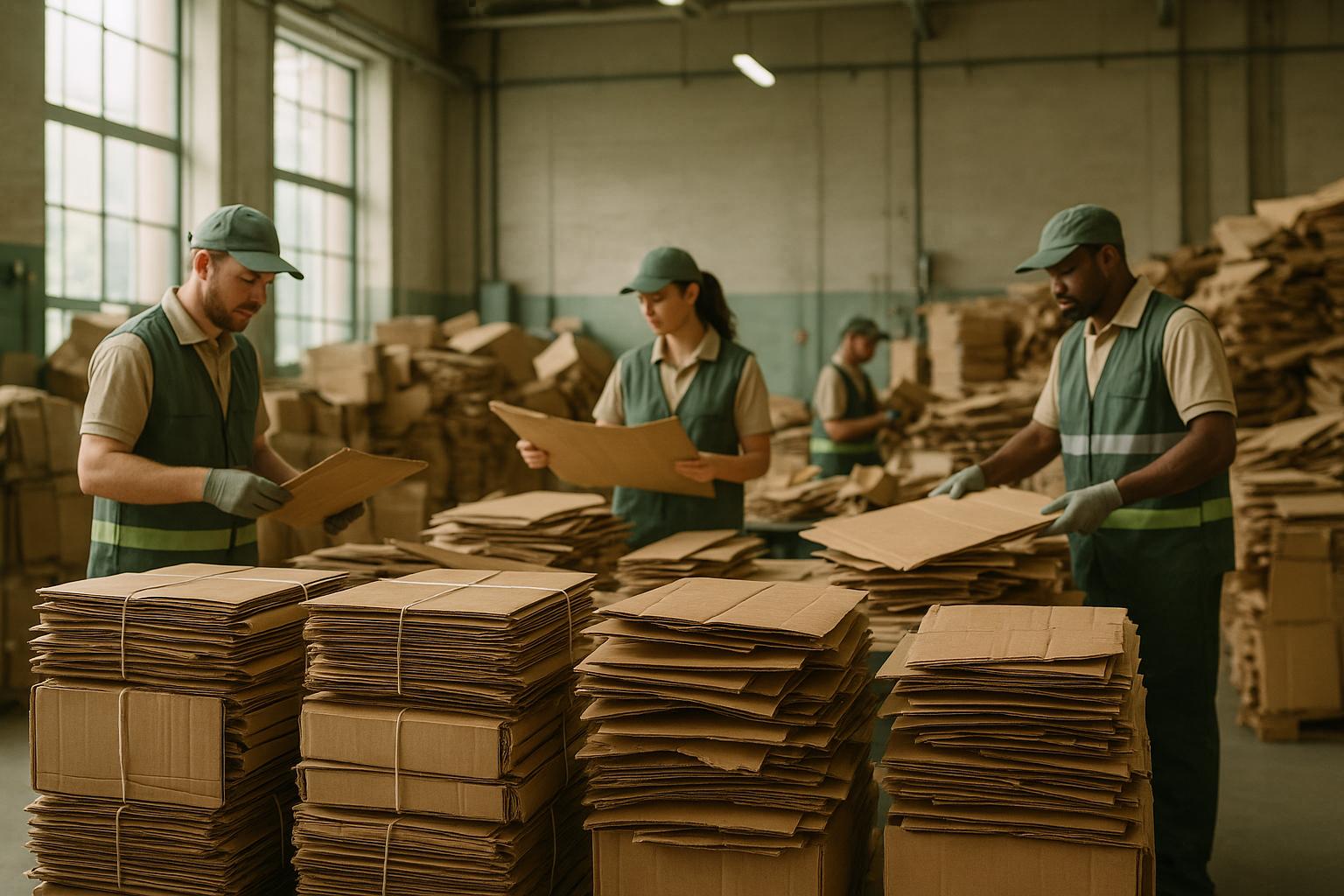
Did you know your business could save money by recycling cardboard? Many companies overlook the potential cost savings of proper waste management. Recycling cardboard isn’t just about reducing waste - it’s a smart financial move. Here’s how it helps:
Key takeaway: Recycling cardboard transforms waste into savings and revenue while streamlining operations. Whether it’s reducing costs, generating income, or improving workflows, adopting a recycling program is a smart move for your business.
Recycling cardboard can significantly lower waste disposal costs. By separating cardboard from general trash, businesses reduce the volume of material sent to landfills, which directly cuts down on monthly waste management expenses.
Waste management companies typically charge businesses based on the weight or volume of waste they produce. Since paper and cardboard materials make up about 56% of landfill waste, separating these materials presents a major opportunity for cost savings. For instance, a retail store producing 2 tons of mixed waste each month could slash its disposal volume by more than half simply by sorting out cardboard.
With landfill space becoming increasingly limited and stricter environmental regulations on the horizon, disposal fees are expected to rise. Establishing an efficient recycling system now can help businesses protect themselves from these future cost increases.
On top of that, specialized recycling programs can further amplify these savings.
Beyond reducing waste disposal fees, dedicated cardboard recycling programs offer additional cost benefits. These programs help businesses cut expenses by improving how cardboard is managed and reducing contamination risks. In fact, recycling cardboard often costs less than traditional waste disposal, lowering both landfill fees and overall waste management costs.
To maximize savings, proper preparation and collection of cardboard are essential. Flattening cardboard boxes, for example, increases container capacity, reduces the frequency of pickups, and eliminates unnecessary transportation costs. Efficient organization ensures businesses can fit more material into each collection, keeping costs in check.
Solutions like Cardboard Cage simplify this process by offering sturdy recycling cages that keep cardboard tidy and ready for pickup. Scheduled collections and professional handling eliminate hidden charges caused by poor preparation or contaminated materials.
For businesses that generate large quantities of cardboard waste - like retailers, warehouses, and distribution centers - industrial recycling is often more affordable than landfill disposal fees. These companies frequently experience significant cost reductions, making the investment in proper recycling infrastructure a smart financial move that pays off through lower waste management bills.
Recycling cardboard isn’t just good for the environment - it can also add to your bottom line. By handling your recyclable cardboard carefully and forming smart partnerships, you can turn waste into an income source.
Recycling rebate programs reward businesses for delivering clean, sorted cardboard. These programs typically pay by weight, with rates that fluctuate based on market demand for recycled materials. To get the best payouts, it’s crucial to keep your cardboard clean and free of contaminants like food residue or adhesives. Contaminated materials often result in lower payments.
Investing in proper sorting and cleaning can pay off. Removing tape, staples, and non-cardboard materials before collection ensures you’re maximizing the value of your recyclables. Clean cardboard always commands higher rates.
Volume is another key factor in rebate negotiations. Businesses that generate larger quantities of cardboard often secure better rates through bulk agreements. If your company doesn’t produce enough on its own, consider teaming up with nearby businesses to consolidate volumes. Timing also matters - prices tend to rise during peak shipping seasons when demand for recycled materials increases.
For an additional revenue stream, you can also explore selling your high-quality cardboard directly to buyers.
While rebate programs provide consistent payouts, selling cardboard directly can sometimes yield even better returns. This approach requires a bit more effort, including finding local buyers, staying informed about market prices, and managing logistics.
Local paper mills are a great option, often offering premium rates for steady supplies of cardboard. However, they usually have minimum quantity requirements, so this route works best for businesses that generate significant amounts of waste. Independent brokers are another option - they often have more flexible pickup schedules and lower minimums, making direct sales accessible to smaller operations.
To succeed with direct sales, you’ll need to understand market pricing and negotiate effectively. Cardboard prices vary depending on grade, with old corrugated cardboard typically fetching higher rates than mixed paper products. Researching current market trends and comparing offers from buyers can help you secure the best deal.
Transportation costs also play a role in profitability. Businesses located closer to recycling facilities or buyers will see better returns, while those in remote areas may find that traditional rebate programs are more cost-effective once delivery expenses are factored in.
Some companies adopt a hybrid approach, using rebate programs for regular collections while setting aside premium-quality cardboard for direct sales during times of high market demand. This strategy can help you maximize revenue while keeping waste management operations efficient.
Organizing cardboard recycling isn’t just about being environmentally conscious - it’s also a smart way to cut costs and save time. When cardboard gets mixed with general waste, employees end up spending unnecessary time sorting materials, making extra trips to disposal areas, and dealing with overflowing waste bins. A dedicated recycling system eliminates these headaches and streamlines operations.
Setting up designated collection points for cardboard can drastically reduce the time employees spend managing waste. Instead of trekking across the facility to toss cardboard into general waste bins, workers can quickly deposit it in nearby recycling areas. This simple adjustment can lead to significant time and labor savings over the long term.
During tasks like shipment processing or inventory handling, employees often make frequent trips to dispose of waste. By reducing these trips and eliminating the need for sorting mixed materials, businesses can cut labor costs and allow staff to focus on more important responsibilities.
Using services like Cardboard Cage makes the process even easier. Their structured collection systems, such as cage-based containers, simplify waste handling. Employees can toss cardboard into a designated container instead of managing loose stacks or overflowing bins. Plus, features like a QR code-based pickup request system eliminate the need to coordinate waste collection manually, freeing up even more time for core business tasks.
Simplified disposal processes also mean less training is required for staff. With efficient collection systems in place, businesses not only save time but also create more organized and functional workspaces.
An organized recycling system does more than save time - it also helps maximize facility space. Loose cardboard often piles up in corners, receiving areas, or work zones, creating clutter and potential safety hazards.
By implementing organized collection systems, companies can reclaim valuable square footage. Instead of letting waste spread across the facility, businesses can consolidate materials in specific areas. This is particularly important for businesses paying a premium for space, where every square foot matters.
A cleaner workspace also leads to better workflow efficiency. When cardboard is scattered around, it can slow down operations and create obstacles for equipment like forklifts or hand trucks. Keeping waste contained ensures smoother operations and fewer disruptions.
Properly managing cardboard waste also opens up opportunities for storage optimization. Spaces previously used for waste buildup can be repurposed for additional inventory, equipment, or even new operations. And for businesses that regularly host clients, vendors, or inspectors, an organized waste management system leaves a professional impression.
Cardboard Cage offers a range of cage sizes to fit different needs, helping businesses optimize their workspace while keeping waste collection efficient. Their scheduled pickup service ensures cardboard doesn’t pile up, keeping work areas clear and ready for action.
Landfill taxes and compliance fees can be a heavy burden for businesses, especially those generating large amounts of waste. Recycling offers a practical way to cut these costs while staying aligned with environmental regulations.
Landfill taxes vary depending on the state and municipality. They're typically calculated based on the weight or volume of waste, with some areas adding local surcharges. For businesses producing significant cardboard waste, these fees can pile up quickly. As local governments increasingly adjust fee structures to encourage more sustainable waste practices, recycling becomes a smart strategy to manage and potentially reduce these growing expenses. By recycling, businesses not only save on landfill charges but also reduce the risk of regulatory penalties.
Strict environmental laws, like the Resource Conservation and Recovery Act (RCRA), require businesses to handle waste responsibly. Failure to comply can result in steep fines. In many regions, businesses are legally required to separate recyclable materials from general waste. Ignoring these rules can trigger enforcement actions.
Recycling programs make compliance easier by streamlining waste tracking and record-keeping, which are essential during inspections. Companies that embrace recycling are better positioned to meet regulatory standards and avoid costly fines.
Working with reliable recycling service providers adds an extra layer of assurance. These partnerships ensure waste management practices are in line with local regulations, helping businesses save money and operate with greater confidence.
Businesses can turn cardboard waste into practical packaging materials, giving it a second life while saving money. By repurposing used boxes, companies can create cost-efficient packaging that protects products just as well as new materials. This approach not only trims packaging expenses but also reduces disposal costs.
Shredding cardboard is a quick way to cut packaging costs. Industrial shredders break down thick boxes and packaging waste into a versatile material that works as void fill - an alternative to pricier options like bubble wrap or foam peanuts.
"Cardboard shredders are specialized machines designed to repurpose used cardboard into practical packaging material. This process eliminates the need to purchase conventional packaging materials, such as bubble wrap or foam peanuts, which can be costly." – Shredder Warehouse
Shredded cardboard adapts to different product shapes and absorbs shocks during shipping, making it ideal for protecting fragile items.
"Cardboard provides a thicker, more protective option to secure even fragile items. It offers more insulation than shredded paper alone, which helps protect objects during transit." – Paper Shredders
For instance, buying a 28.7-pound box of pre-shredded cardboard costs around $20.00. By shredding their own waste, businesses can eliminate this expense entirely while also saving on disposal fees.
But recycling cardboard isn't just about cutting costs. It can also benefit the community.
Excess cardboard can be donated to local projects, reducing waste while supporting community efforts. Schools, community centers, and nonprofit organizations often need clean, flat cardboard for activities like art projects, educational displays, or temporary installations. Retailers and e-commerce businesses, which often have large amounts of shipping boxes, can set up regular donation pickups to meet these needs.
For example, schools might use cardboard for classroom projects, while community theaters could use it to build sets and props. Donating cardboard not only keeps waste out of landfills but could also qualify as a charitable contribution, offering potential tax benefits.
Setting up donation partnerships is usually simple. Many organizations can schedule regular pickups, making the process seamless and reducing administrative effort. Plus, coordinating with local groups helps manage seasonal surpluses - like during school project seasons or the holidays - ensuring the cardboard goes to good use.
Recycling strategies can bring a variety of financial perks, though the exact benefits depend on specific operations and local factors. Here are some key ways businesses can save money through effective recycling:
Together, these advantages make recycling strategies a smart financial move. By combining multiple approaches, businesses can see a quick return on investment and enjoy lasting savings. Tailoring these strategies to fit specific operational needs not only boosts financial outcomes but also supports environmental goals.
Recycling cardboard isn’t just about being environmentally conscious - it’s also a smart way to cut costs and even generate extra income. The strategies discussed here show how a well-organized recycling program can turn what many see as a waste expense into a money-making opportunity.
The financial benefits are immediate and tangible. By recycling, businesses can reduce disposal fees, simplify operations, and lower compliance costs. On top of that, rebates and direct sales from recycled materials add an extra revenue stream. Efficient waste management also saves staff time and clears up valuable workspace, allowing employees to focus on core business tasks instead of dealing with waste.
Avoiding landfill taxes and regulatory penalties is another perk. Plus, reusing cardboard for packaging or donating it to local organizations helps cut supply chain costs, creating a well-rounded approach to saving money.
Services like Cardboard Cage make adopting these strategies easy. With scheduled pickups and sturdy recycling cages, they seamlessly fit into businesses of all sizes. Whether you’re a small business looking to trim monthly expenses or a large operation managing heaps of cardboard, these scalable solutions can help you achieve significant savings.
Every month without a recycling program is a missed opportunity to save money and boost revenue. Start with one strategy that aligns with your current setup, and expand as you see the financial benefits roll in. It’s a win-win for your business and the environment.
Businesses aiming to meet local recycling regulations and avoid fines should start by understanding the specific state and municipal laws that govern cardboard recycling. Across the U.S., many regions have clear rules about how materials like cardboard should be handled and recycled.
It's also worth checking if your business has any contractual commitments or sustainability certifications, such as ISO 14001, that might require a formal recycling program. To stay on track, consider providing regular training for employees on proper recycling methods. Partnering with a waste management provider can further ensure compliance with regulations while aligning with broader sustainability objectives.
To get the most out of rebates for cardboard recycling, proper preparation of materials is key:
By following these steps, you can boost the value of your recyclable cardboard and take full advantage of rebate opportunities.
To determine whether selling cardboard directly is a better financial choice than participating in rebate programs, businesses need to weigh a few important factors. Selling directly can bring in cash right away, but the price of cardboard tends to fluctuate, which can affect overall profits. On the flip side, rebate programs might take longer to pay out but often streamline the entire process.
It's essential to factor in the costs of preparing and transporting cardboard for direct sales, along with the effort and time needed to secure trustworthy buyers. By comparing these expenses to the potential returns from rebate programs, businesses can identify which route aligns better with their financial goals.